By Harsh Vaidya, Published on 14th July
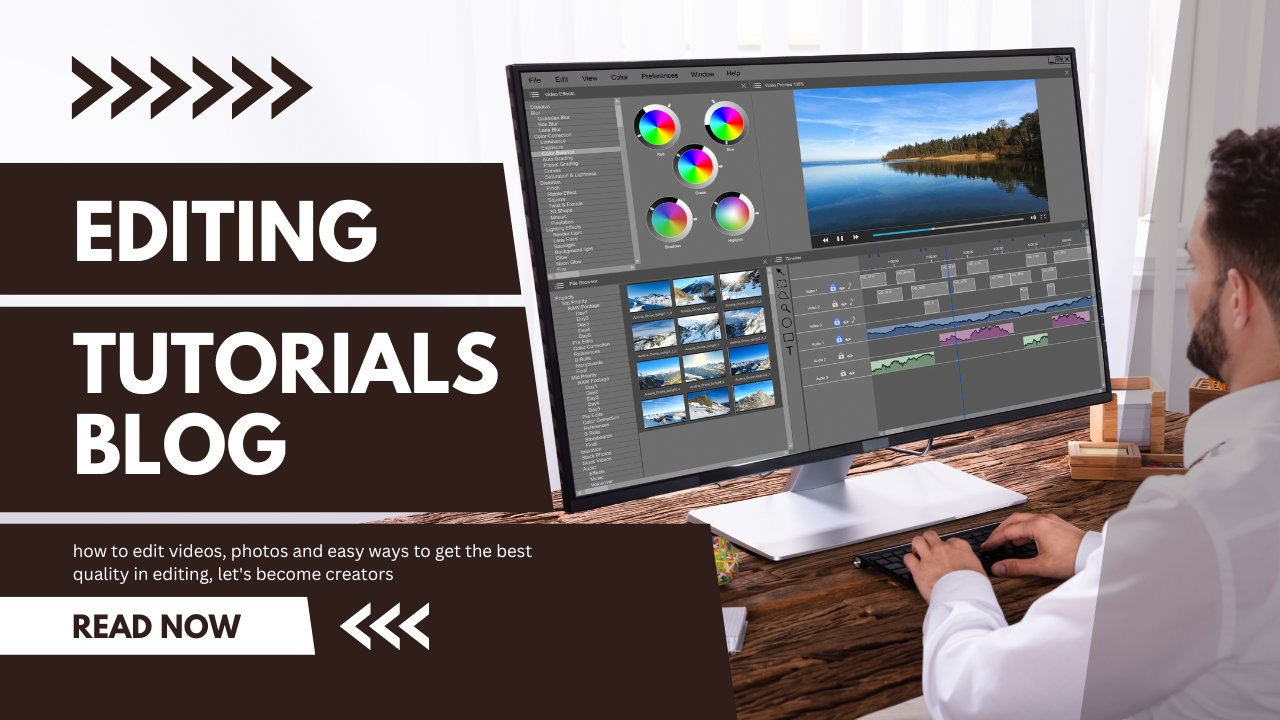
In the age of digital media, video content has become a powerful medium for storytelling, education, and entertainment.Whether you're a professional videographer or an aspiring content creator, understanding the art of video editing is crucial for producing compelling and polished videos. In this blog post, we will explore essential tips and tools that can help you master the art of video editing and create stunning visual experiences.
Plan Your Video Editing Process: Define your objective: Determine the purpose of your video and the message you want to convey. This clarity will guide your editing decisions. Organize your footage: Sort and label your video clips, audio files, and other media assets to streamline the editing process and save time. Create a storyboard or timeline: Sketch out a visual plan or timeline to map the flow of your video, ensuring a cohesive and engaging narrative.
Choose the Right Video Editing Software: Adobe Premiere Pro: A professional-grade video editing software offering advanced features, effects, and extensive compatibility with various file formats. Final Cut Pro X: A popular video editing software for Mac users, known for its intuitive interface, powerful editing tools, and seamless integration with Apple's ecosystem. DaVinci Resolve: A feature-rich video editing software that combines advanced editing capabilities with professional-grade color correction and visual effects. Master Basic Editing Techniques: Cutting and trimming: Remove unwanted portions, trim clips, and create seamless transitions by mastering the art of cutting and trimming.
Transitions: Experiment with different transition effects, such as fades, dissolves, or wipes, to create smooth and visually appealing scene changes. Audio editing: Adjust audio levels, add background music, and synchronize audio with video to enhance the overall impact of your video. Color grading: Use color correction and grading techniques to enhance the visual aesthetics and create a consistent look throughout your video. Utilize Advanced Editing Techniques: Visual effects: Explore advanced features and tools to add visual effects, motion graphics, and text overlays to your video.
Green screen (chroma key): Master the technique of removing a solid-colored background and replacing it with another video or image to create unique visual compositions. Speed manipulation: Experiment with slow-motion, time-lapse, or speed ramping techniques to add dramatic effects and enhance storytelling. Enhance Audio Quality: Noise reduction: Use audio editing tools to remove background noise, improve clarity, and create a professional sound experience. Audio effects: Add audio effects such as equalization, compression, or reverb to enhance the overall audio quality and create a more immersive experience. Voice-over and narration: Record and integrate voice-overs or narrations to provide context, explanations, or storytelling elements to your video. Utilize Music and Sound Effects: Royalty-free music libraries: Access a wide range of music tracks and sound effects from royalty-free libraries, ensuring legal compliance and high-quality audio. Audio synchronization: Align music and sound effects with the visuals to create a cohesive and engaging audio-visual experience.
Optimize for Different Platforms and Resolutions: Aspect ratios: Adapt your video to different aspect ratios (such as 16:9 for YouTube or 9:16 for Instagram stories) to ensure optimal viewing experiences across various platforms. Video exporting settings: Understand video compression settings, bitrates, and formats to optimize video quality while minimizing file sizes for different platforms and devices. Continuously Learn and Experiment: Stay updated: Keep up with the latest trends, techniques, and features in video editing through online tutorials, courses, and industry resources. Experiment and explore: Don't be afraid to experiment with new editing styles, effects, and creative ideas. Pushing boundaries and embracing innovation can lead to unique and captivating video content.
Conclusion: Mastering video editing requires a combination of technical skills, creative vision, and attention to detail. By following the essential tips outlined in this blog post and utilizing powerful video editing tools, you can unlock your creative potential and produce stunning videos that captivate and engage your audience. Remember, practice, experimentation, and continuous learning are key to refining your video editing skills and creating truly remarkable visual experiences. So, grab your footage, unleash your creativity, and let your videos come to life with the magic of editing!